


Dating is a Practice, Not a Final Exam

Have you ever felt like every date was a test you could fail? Like one wrong answer, one awkward silence, one mismatched opinion would send you back to square one with a big red "F" stamped on your forehead?
You're not imagining it. Somewhere along the way, we started treating dating like a high-stakes exam where the goal is to get everything right the first time, or risk being single forever.
But what if dating wasn't about passing or failing? What if it was more like learning to play an instrument, where every interaction taught you something new about rhythm, timing, and what kind of music you actually want to make?
The Problem with the "Pass/Fail" Mindset
When we approach dating like a final exam, everything feels life-or-death. You analyze every text for hidden meaning. You replay conversations in your head, wondering if you said the "right" thing. You worry that being yourself, your actual, unfiltered self, might be the wrong answer.
This mindset doesn't just create anxiety. It creates performance pressure that makes authentic connection nearly impossible.
Think about it: when you're nervous about failing a test, you don't take creative risks. You don't explore. You play it safe, stick to what you think the "grader" wants to hear, and hope you don't mess up.
That's not dating. That's auditioning for a role in someone else's life story.

And here's the hardest part, when a relationship doesn't work out, the pass/fail framework turns it into evidence of your inadequacy. You didn't "pass." You weren't "good enough." You failed at love.
Except that's not what actually happened.
What It Means to Date as Practice
Dating as practice means showing up with curiosity instead of certainty. It means treating each connection, whether it lasts three dates or three years, as an opportunity to learn something about yourself, your patterns, and what you actually need in a relationship.
It's not about lowering your standards or "settling." It's about recognizing that becoming good at relationships requires the same thing as becoming good at anything else: repetition, reflection, and a willingness to make mistakes.
When you practice piano, you don't expect to nail Chopin on the first try. You start simple. You notice where your fingers stumble. You try again, adjusting slightly each time. You get feedback, from the sound, from a teacher, from your own growing awareness of what feels right.
Dating works the same way:
You practice vulnerability by sharing something real and noticing how it feels in your body.
You practice boundaries by saying "no" when something doesn't align with your values.
You practice discernment by paying attention to how you feel around someone, not just how they look on paper.
You practice self-awareness by noticing your patterns, the kinds of people you're drawn to, the red flags you ignore, the ways you abandon yourself to keep the peace.
None of this is pass/fail. It's all information.
The Skills You're Actually Building
If you've been dating for a while and it hasn't "worked out" yet, you haven't failed. You've been in training.
Here are some of the skills you might be developing without even realizing it:
Learning what you actually want, not what you think you're supposed to want. Maybe you thought you needed someone ambitious and outgoing, but you've discovered you're drawn to people who are thoughtful and a little quieter. That's not failure, that's clarity.
Recognizing your own patterns. Maybe you notice you always fall hard for people who are emotionally unavailable. Or you people-please until you lose yourself. Or you sabotage things right when they start to feel good. Seeing the pattern is the first step to changing it. A counselor in McAllen, TX or a therapist in Edinburg, TX can help you understand where these patterns come from and how to shift them.
Practicing speaking up. Every time you say "Actually, I'd prefer this" or "That doesn't work for me," you're strengthening your voice. Even if the relationship doesn't last, that skill stays with you.
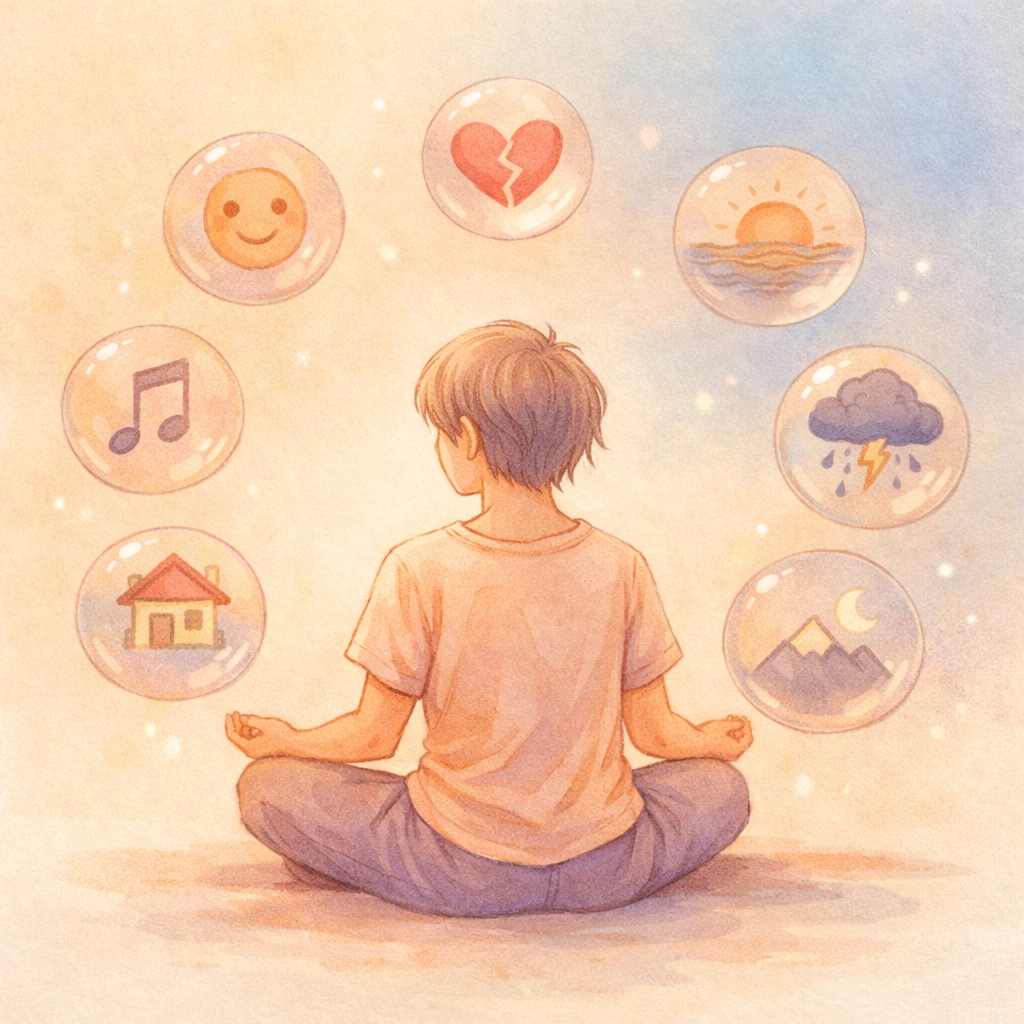
Building emotional resilience. Heartbreak is hard. Rejection stings. But each time you survive it, you prove to yourself that you can handle difficult emotions and come out the other side. That's not weakness: that's courage.
Getting clearer on your non-negotiables. Not your wish list of surface-level traits, but the deeper values that actually matter. Kindness. Integrity. Emotional safety. Willingness to grow. The more you date, the more you understand what you can compromise on and what you absolutely can't.
These aren't consolation prizes. They're the actual point.
Redefining Success
If dating isn't a test, then success can't be measured by whether you "got the person." Success has to be something bigger than that.
What if success looked like this:
You went on a date and stayed true to yourself, even when it would've been easier to perform.
You ended things when you noticed a red flag instead of ignoring it.
You asked for what you needed and didn't apologize for it.
You felt disappointed when it didn't work out, but you didn't make it mean something was wrong with you.
You walked away from a relationship that looked good on paper but didn't feel good in your body.
Those are wins. Every single one.
Because the goal isn't just to find a partner. The goal is to become someone who can show up authentically in a relationship, communicate their needs, recognize what feels safe, and choose connection over performance.
That's a skill. And like any skill, it takes practice.
You're Not Behind
One of the cruelest lies the dating world tells us is that there's a timeline we're supposed to be on. That if we're not partnered by a certain age, we've somehow missed the boat.
But relationships aren't a race. They're not a checklist item you can rush through to get to the "real" part of life.
The "real" part is happening right now: in the messy middle, in the learning curve, in the moments where you choose yourself even when it's hard.
If you're working with a therapist in McAllen, TX or exploring these patterns in therapy in Edinburg, TX, you already know this: healing doesn't follow a schedule. Growth doesn't happen on someone else's timeline. You're exactly where you need to be.

And every relationship: the ones that last and the ones that don't: is teaching you something. Maybe it's teaching you what love isn't supposed to feel like. Maybe it's showing you where your boundaries need to be stronger. Maybe it's revealing the ways you've been hiding or performing or shrinking to fit someone else's expectations.
None of that is wasted time.
The Invitation
What would change if you stopped grading yourself?
What if you went on your next date with the same energy you'd bring to trying a new recipe or learning a new route through your neighborhood: curious, open, willing to see what happens without needing it to be perfect?
What if you gave yourself permission to be a beginner at this, even if you've been dating for years?
Dating is vulnerable. It asks us to show up as ourselves and risk being seen. That's not a test you can study for. It's a practice you grow into, one awkward coffee date, one honest conversation, one boundary, one heartbreak at a time.
You're not failing. You're learning. And that matters more than you think.


Comments